


Behind the booth: Houzz
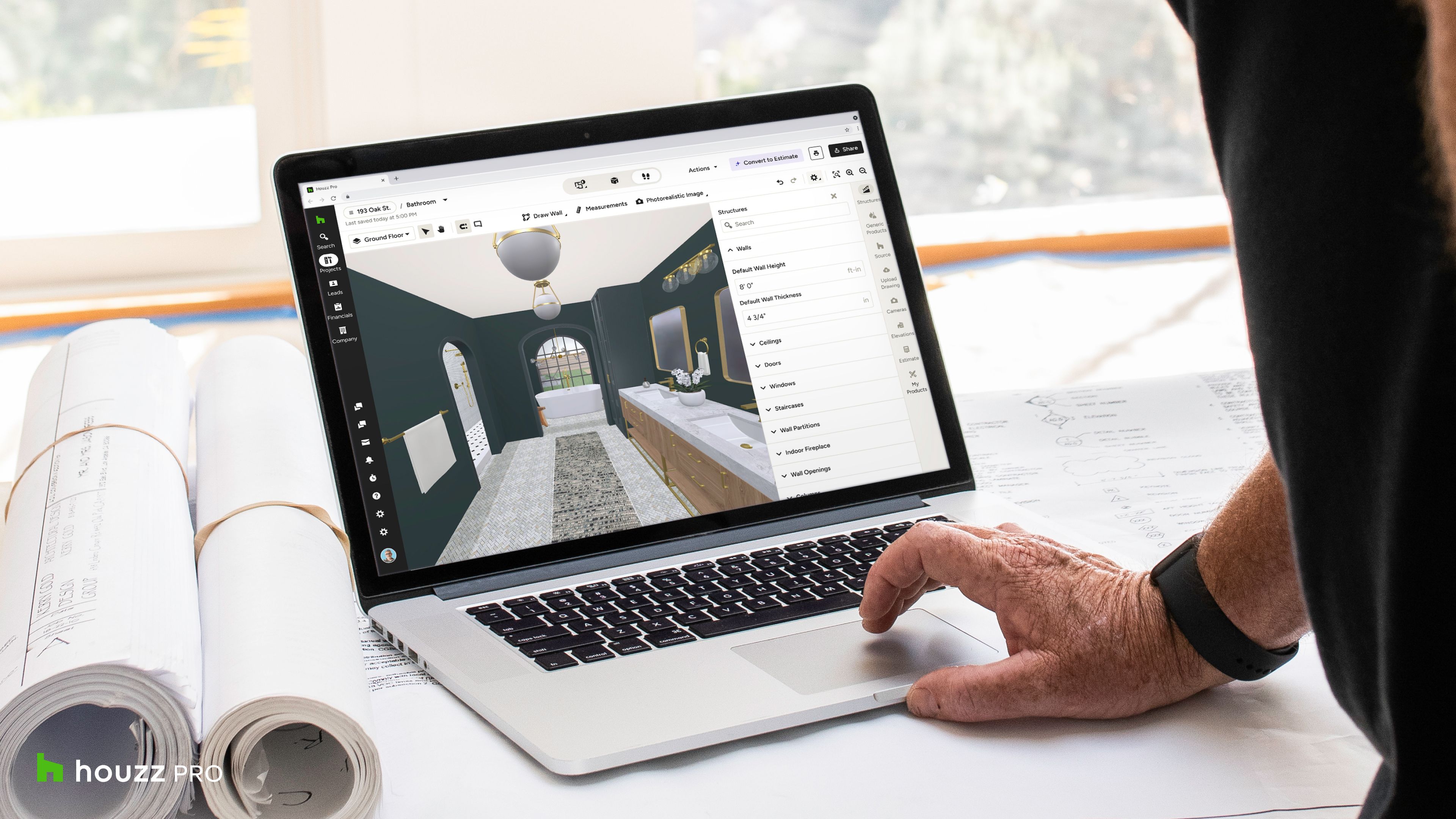
Running a successful design or construction business today requires more than great craftsmanship; it demands strong communication, clear project management, and the ability to keep clients informed at every stage. Houzz has evolved into a leading platform helping professionals manage these demands, combining marketing, project management, and visualization tools in one place. Ahead of New York Build, we spoke with Liza Hausman, Vice President of Industry Marketing at Houzz, about digital workflows, client expectations, and how technology is reshaping residential construction and renovation.

1. For readers who may be new to Houzz, can you give us a brief overview of the company and how it supports construction professionals across the design and build journey?
Houzz is the leading platform for construction and design, built to help professionals grow and run more efficient, profitable businesses. Our all-in-one software, Houzz Pro, combines project management, client and sub communication, financial tools and 3D visualization in a single platform designed specifically for builders, remodelers and designers. It supports teams at every stage of the project lifecycle, helping them win new work, manage schedules, communicate with clients and collect payments so they can stay organized, reduce manual tasks and keep projects moving forward while delivering a more seamless client experience.
2. Houzz is perhaps best known for its all-in-one platform. Which products or services are currently having the biggest impact for architects, designers, contractors, and suppliers working in today’s market?
Houzz Pro is making the biggest impact because it replaces disconnected tools with one connected software. Instead of juggling spreadsheets, emails, texts and separate accounting tools, professionals can manage leads, create estimates, build schedules, collaborate with clients and track profitability in one place.
AI is built directly into everyday workflows within Houzz Pro, helping teams create estimates faster, keep clients informed with professional communications and surface insights that support better decision-making. The result is less time spent on administrative work and more time focused on delivering high-quality projects.
We consistently hear that our 3D visualization tools and mobile room scanner are transforming how pros sell projects. Being able to scan an existing space and quickly generate a 3D model helps to shorten decision cycles, increase close rates and secure higher-value projects.


3. From your vantage point at the intersection of design, technology, and construction, what are the most significant trends shaping residential building and renovation right now – particularly in dense urban markets like New York?
In markets like New York, strong home equity, limited housing inventory and aging housing stock are continuing to drive renovation activity. Many homeowners are choosing to invest in improving their existing homes rather than moving, including upgrades that support aging in place, long-term livability and multi-generational spaces.
For home builders and remodelers, that means sustained opportunity but also higher client expectations around communication, transparency and speed. Firms that quickly deliver professional estimates, present ideas clearly and provide financial visibility are best positioned to capture that demand and protect margins in a competitive environment.

4. Houzz is a key exhibitor at New York Build this year. What can attendees expect to see on your booth, and which audiences do you most want to engage with during the show?
At booth #970, attendees can see firsthand how Houzz Pro helps builders, remodelers and design-build firms win more projects, improve team coordination and manage jobs more efficiently from start to finish. We’ll be demonstrating our AI-powered estimating tools, 3D visualization capabilities and integrated project management features.
We’re especially looking forward to connecting with professionals who are evaluating ways to modernize their operations, replace fragmented systems and position their businesses for scalable growth in today’s competitive market.

)
)
)