

Behind the booth: MeltPlan
Construction has no shortage of software. What it lacks, however, is a true ‘planning engine’ – a way to test changes, answer questions, and resolve complexity before projects hit the site. MeltPlan was built to sit in that gap. Ahead of New York Build, we spoke with Kanav Hasjia, founder and CEO of the business, about fragmentation, scenario planning, and why the industry needs to get better at changing its mind earlier.

Q: To start, can you tell us a bit about your background and how MeltPlan came about?
I’ve been building software since I was 12. My first company was in health tech, focused on reducing the cost of healthcare in the U.S. Over about a decade, we scaled that business to the point where it helped reduce costs by roughly $3 billion across 10 million people.
A few years ago, I was remodeling my house, and the project ran about 50% over budget and 50% over schedule. I assumed I was unlucky, but everyone I spoke to told me I’d actually done better than most. That’s when I started digging into construction and asking why an industry with so many skilled people struggles to plan effectively.
Q: What did you find when you looked deeper?
I discovered that the issue isn’t the people, it’s fragmentation. If you look at projects like the Empire State Building, dozens of skills were coordinated under just a few organizations. Today, those same skills are spread across 40 or 50 separate companies, all working in silos.
We have strong tools for design and construction management, but there’s very little in between. Planning is where everything breaks down.
Q: What do you mean when you talk about a “planning engine”?
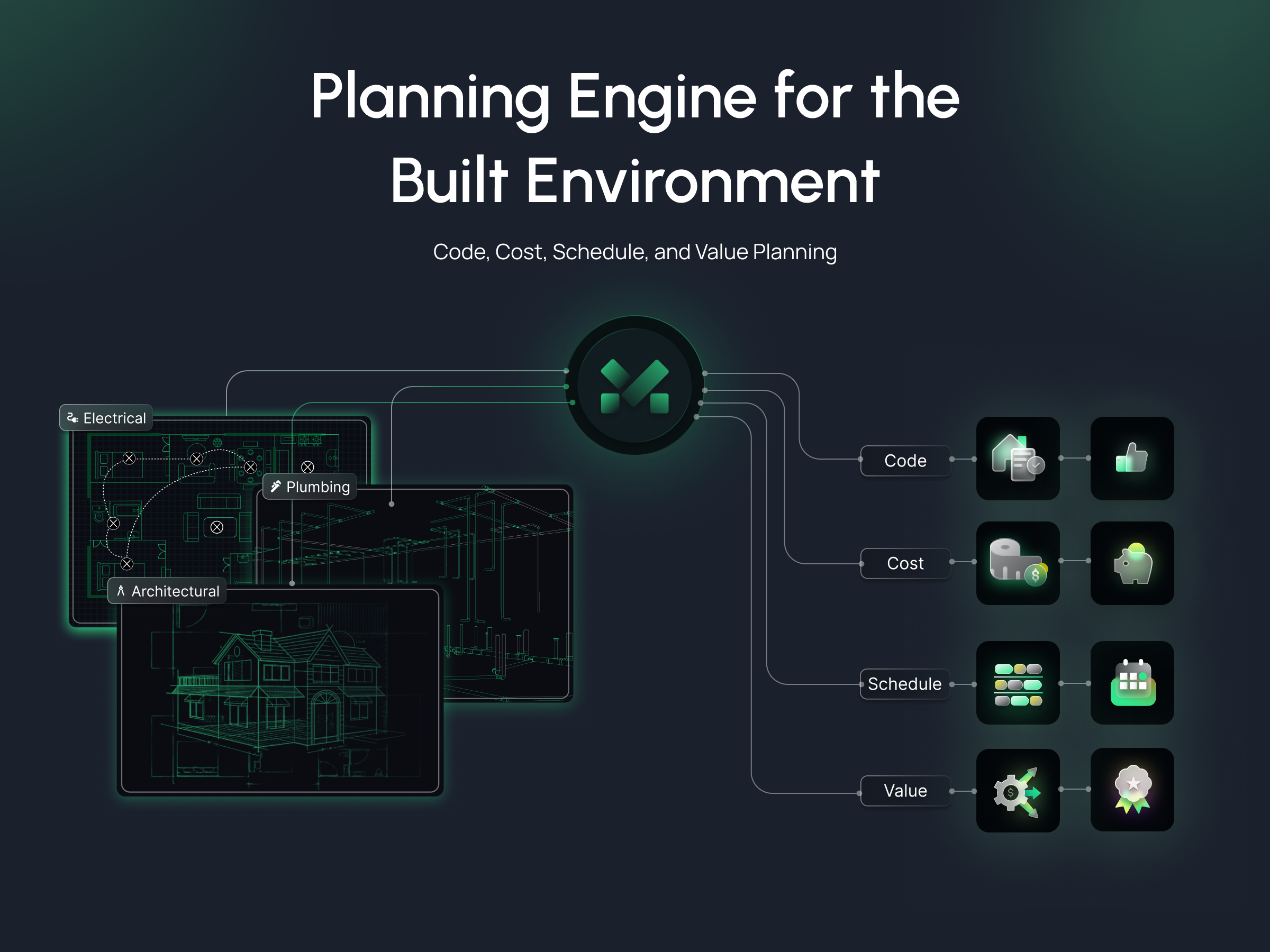
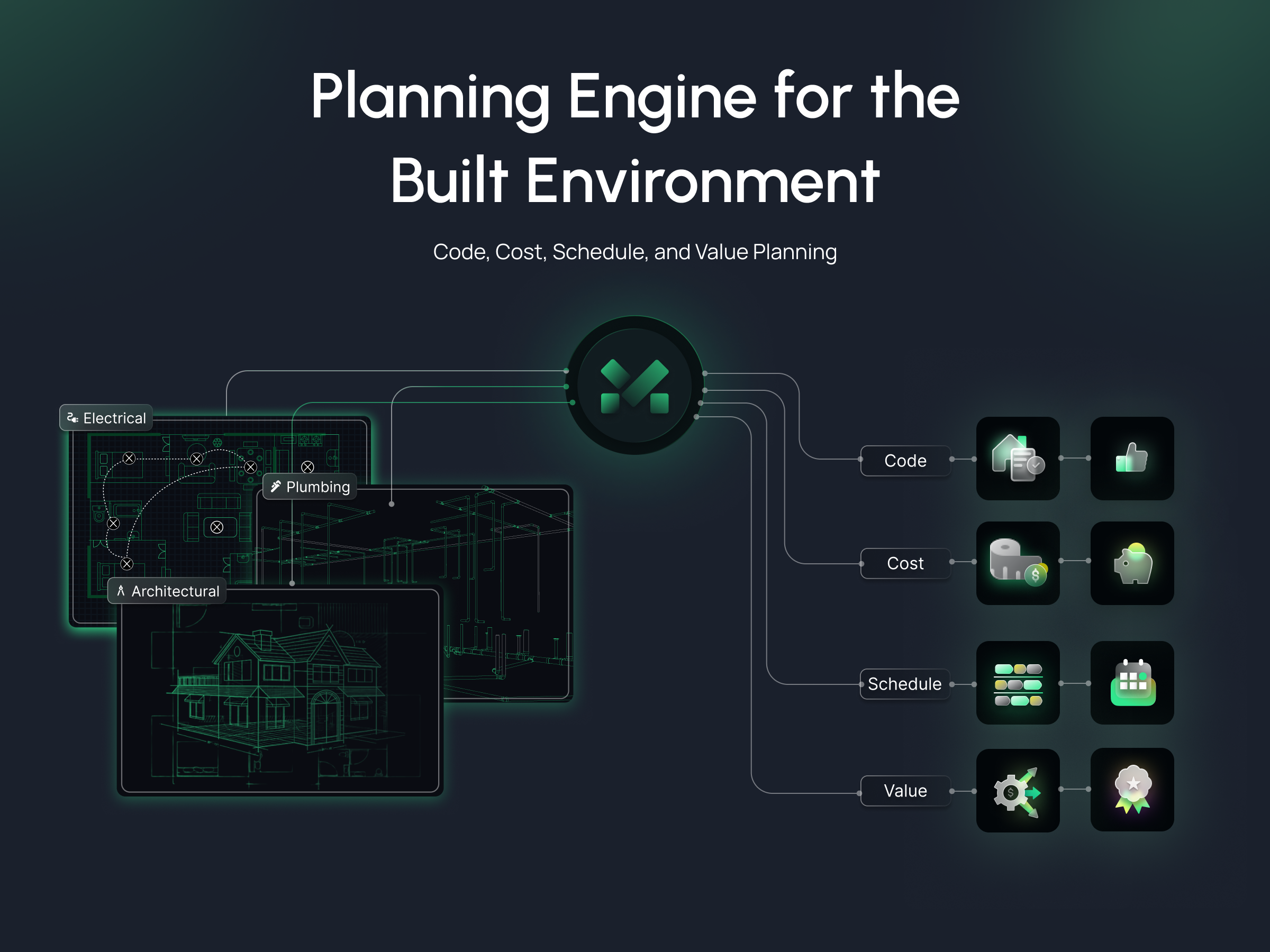
Any material change to a project triggers the same four questions. Are we compliant with code? What does it cost? How long will it take? And are there better options through value engineering?
Right now, answering those questions can take anywhere from two to eight weeks. MeltPlan is built to bring that down to days by letting teams model scenarios during preconstruction instead of reacting later. That’s the planning engine.
Q: What products are live today?
We’ve launched two. The first is Melt Code, a question-based building code compliance tool. Architects and engineers can ask complex compliance questions and get clear answers instead of flipping through code books or PDFs. We’re offering a one-month free trial because we want people to actually test it.
The second is Melt Takeoff, which is takeoff-as-a-service. Takeoffs are still very manual. There’s a lot of talk about AI replacing that work, but the reality is it’s not there yet. Our approach combines AI with experienced U.S.-based estimators, and the result is takeoffs that are more accurate, faster, and about 10% cheaper than what teams are paying today.

Q: You’re also planning a new launch this year. What’s coming next?
We’re launching Melt Bid, which focuses on bid leveling. General contractors can upload bids from multiple trade partners and level them in minutes instead of hours. It’s about making comparisons clear and decisions faster. We’re aiming to launch that in March, around the time of New York Build in fact!
Q: What should visitors expect to see at New York Build?
Architects and engineers will see a completely new way of doing code research. Contractors will see a very honest approach to takeoffs. We’re not claiming AI solves everything, but are instead focused on solving real planning problems and being transparent about how we do it.
)
)
)