Skip to main content

Behind the booth: QEA Tech
)
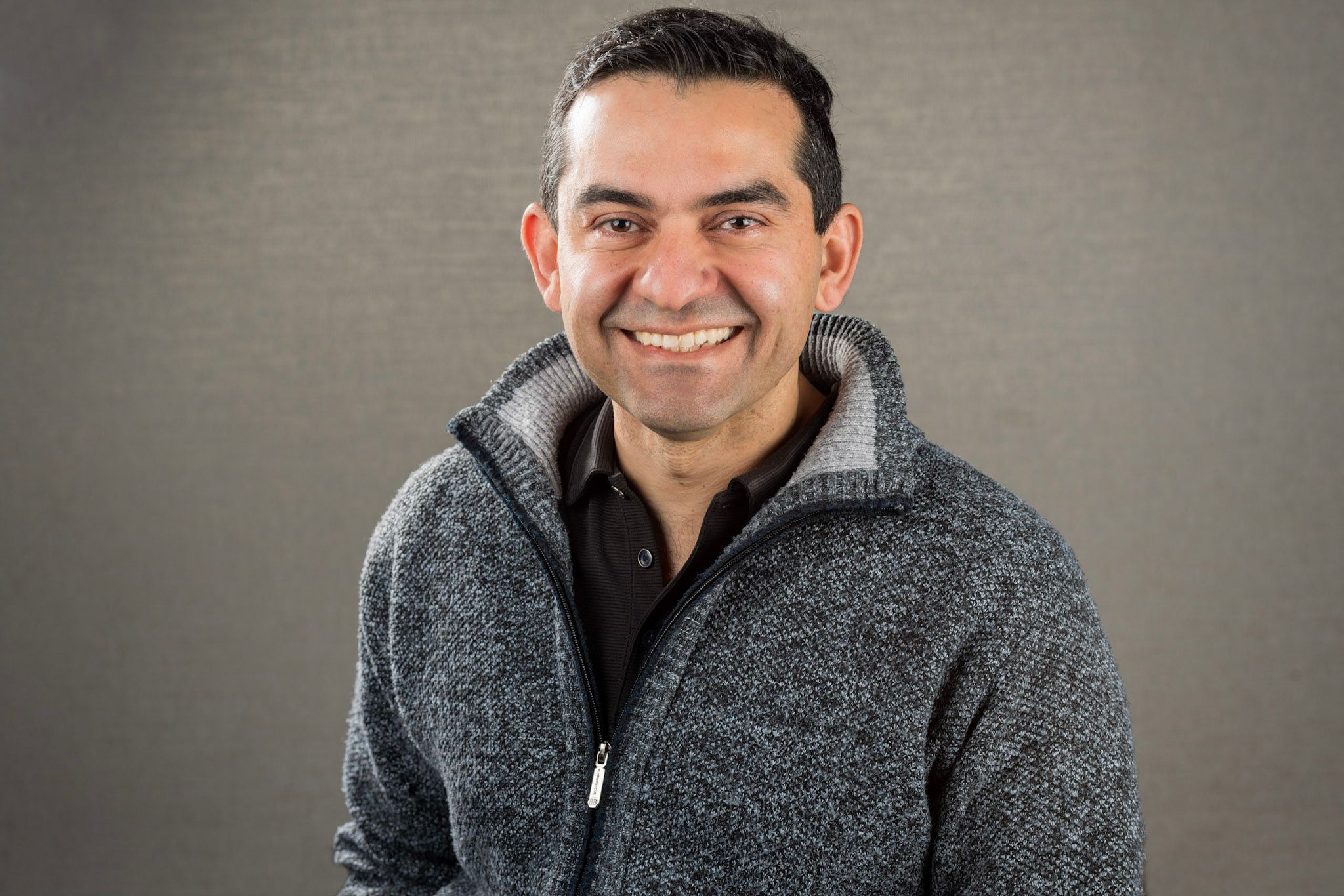
Building exterior inspections are entering a new technological era. Advances in drones, thermal imaging, and artificial intelligence are making it possible to analyze building performance faster and more accurately than ever before. QEA Tech is at the forefront of this shift, using AI-powered drone inspections to help building owners understand how their properties perform and where improvements can be made. In this interview, Peyvand Melati, Co-Founder and CEO of QEA Tech, delves into the growing role of data-driven inspections in building maintenance, energy efficiency, and sustainability.
To start, can you tell us a bit about QEA Tech and the technology behind your inspection platform?
QEA Tech was founded in 2019 with a focus on using drones and artificial intelligence to analyze building exteriors. The technology itself had been developed over several years prior, initially focusing on thermal inspections and energy audits.
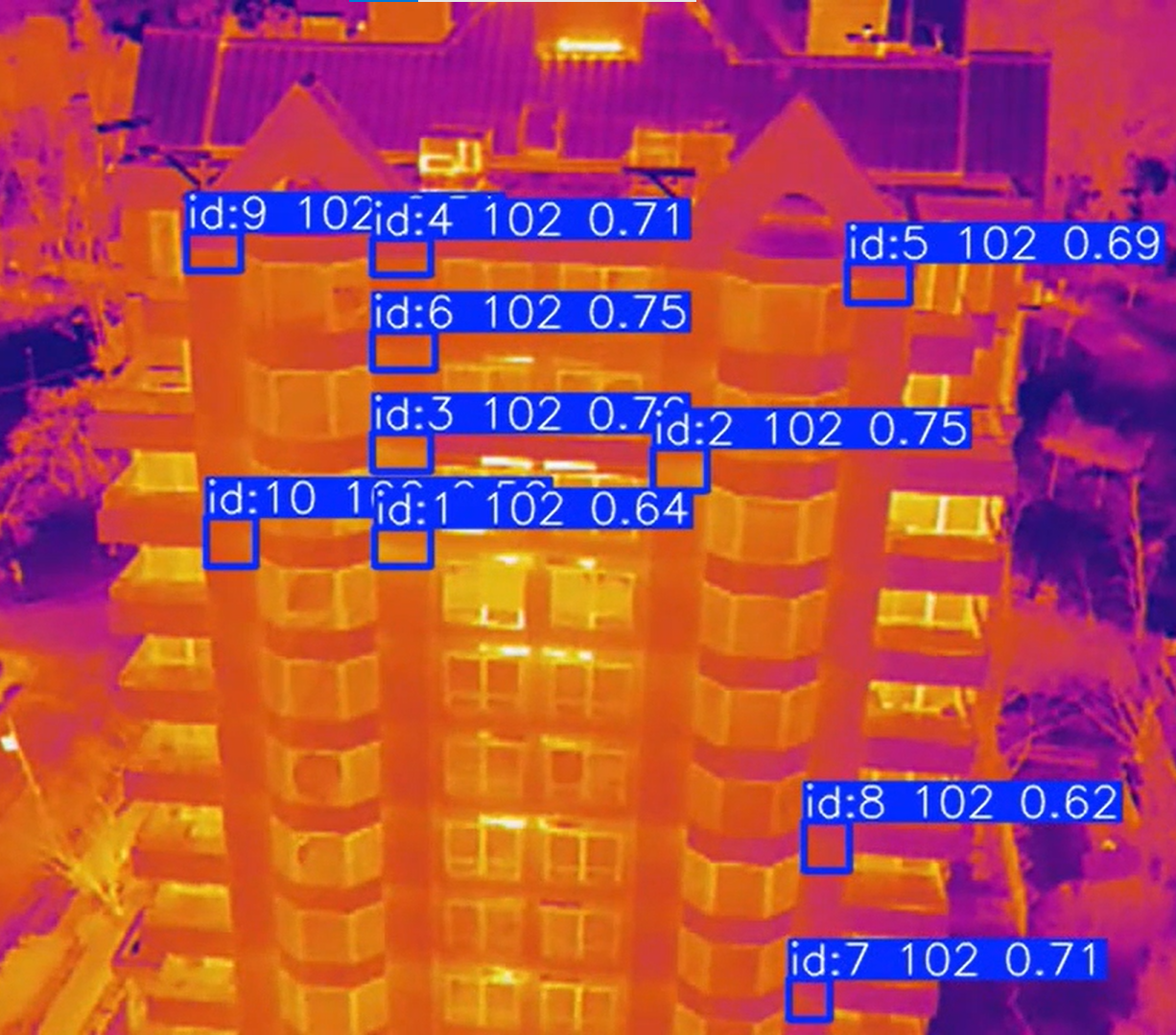
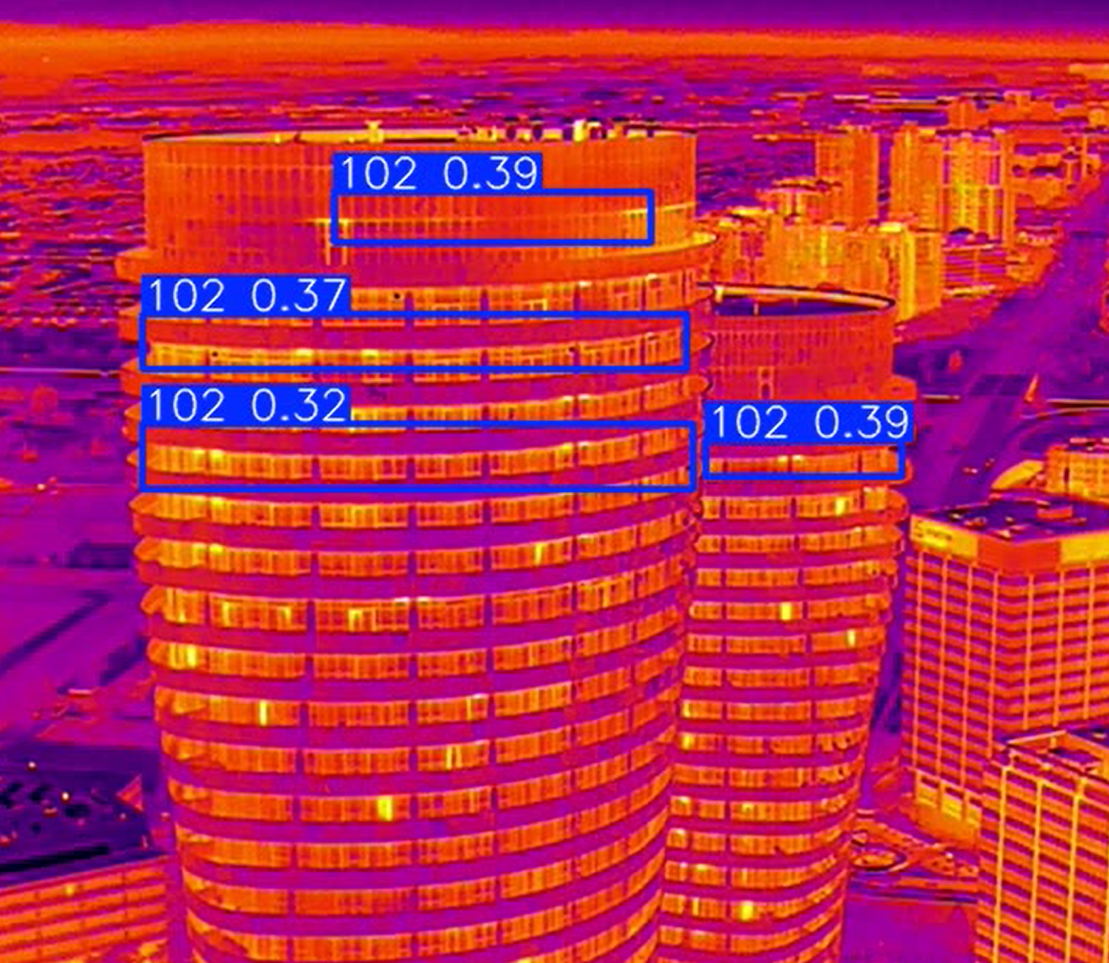
Today, we combine drone imaging, thermography, IoT sensors, and proprietary AI software to inspect building exteriors, analyze their performance, and recommend targeted improvements. Our drones capture thousands of visual and thermal data points from the building envelope, which our AI platform processes to pinpoint issues such as air infiltration, and moisture penetration, and quantify energy loss for each square inch of the building exterior.
Since launching commercially in 2021, we’ve completed inspections on more than 1,300 buildings globally, including hospitals, airports, residential towers, universities, and hotels.
Who are your typical customers, and how do they use the data your platform provides?
Our core clients are facility managers, building owners, and engineering firms responsible for maintaining large property portfolios. Many of them represent major corporations or institutional owners managing multiple buildings and needing accurate data to prioritize maintenance and retrofit budgets.
The insights we generate help them identify where and how much energy is being lost, where building envelopes are facing risks, and which upgrades will deliver the strongest return on investment. That information is critical for improving operational efficiency while also meeting sustainability targets.
Your platform combines drones, sensors, and AI. In simple terms, how does that technology work together?
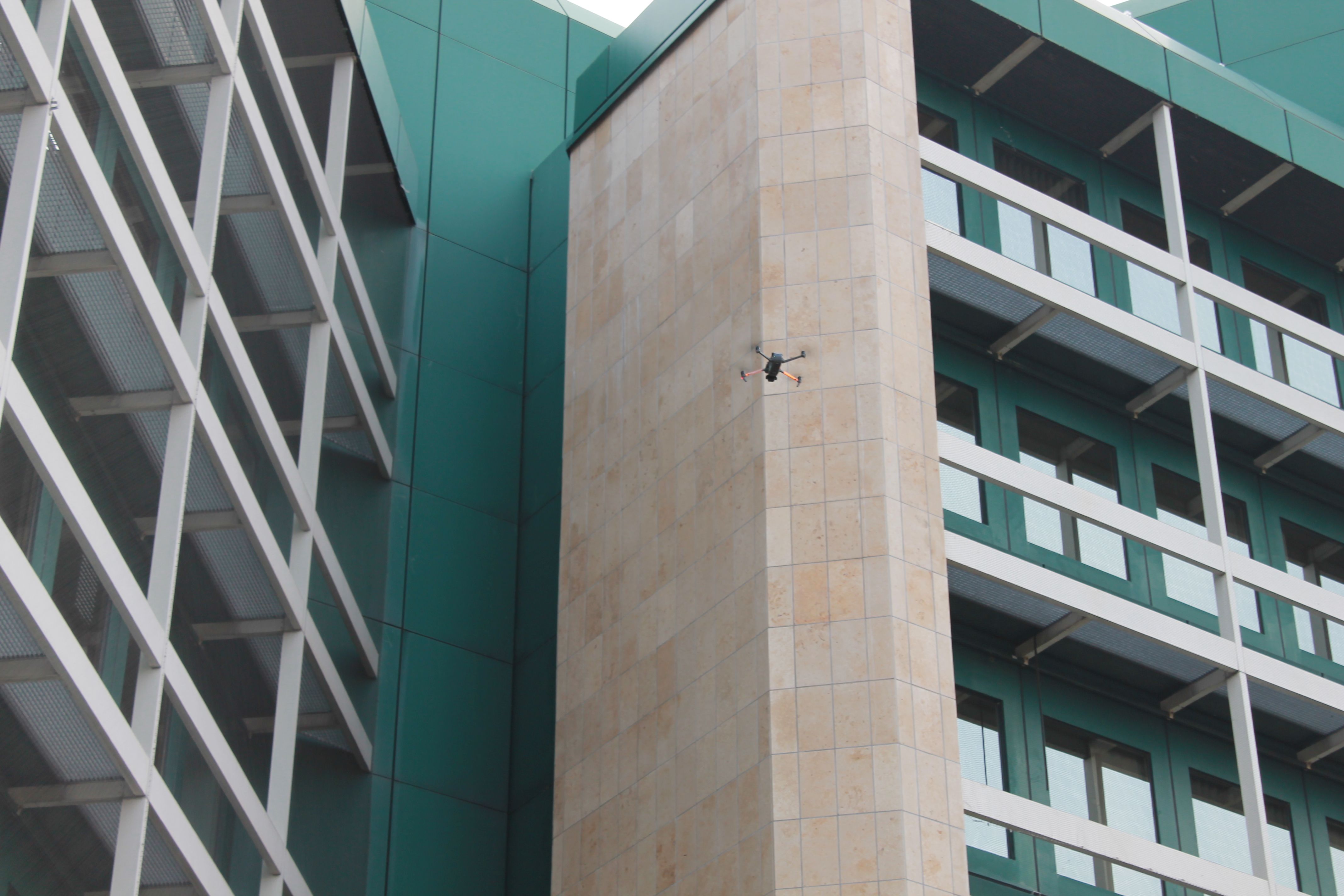
The drones capture high-resolution imagery and thermal scans of a building’s exterior. At the same time, IoT sensors monitor environmental conditions that affect building performance, such as temperature variations.
All of this information feeds into our AI platform, which uses multiple machine-learning models to detect anomalies and quantify thermal leakage. The system can also simulate retrofit scenarios—such as improving glazing, adding insulation, or sealing air leaks—and estimate both energy savings and payback timelines.
The goal is not just to produce inspection reports, but to provide building owners with clear, actionable guidance on how to improve performance.
Finally, what are you hoping to achieve at New York Build this year?
New York Build is an important event for us. It gives us the opportunity to connect with engineers, building owners, and facility managers who are facing the realities of maintaining complex urban buildings.
Our goal is to raise awareness of how AI-driven inspections can support both compliance and sustainability goals, particularly in cities like New York where regulations such as Local Laws 11 and 97 are reshaping building management.
We’re also looking forward to moderating a panel discussion called The Future of Facilities: Key Trends & Innovations and connecting with professionals who want to better understand how technology and data can improve building performance.
)
)
)